
How to Stay Healthy, Consistent, and Injury-Free as Spring Training Begins
For many runners, February feels like a quiet, in-between month. Spring races are still weeks away, weather is unpredictable, and motivation can waver after the excitement of January goals fades.
But from an injury-prevention standpoint, February is one of the most important months of the entire running year.
Most spring running injuries don’t start on race day—they start now.
Why Runners Get Injured in February
1. Training Volume Starts to Increase
As daylight improves and spring races get closer, mileage and intensity often creep up. The problem? The body may not yet be ready for the added load.
Small increases repeated week after week can overload tissues that haven’t fully adapted.
2. Lingering Imbalances From the Off-Season
Winter training often looks different:
● Less running overall
● More treadmill miles
● Reduced strength work
● Old injuries that never fully resolved
These factors can create strength and mobility imbalances that show up once training ramps up.
3. Fatigue Hides Early Warning Signs
Early training fatigue can mask developing issues. Many runners push through:
running injuries
● Persistent soreness
● Subtle changes in form
● Tightness that doesn’t fully resolve
What starts as a “normal ache” can quickly turn into tendon pain, joint irritation, or stress-related injuries.
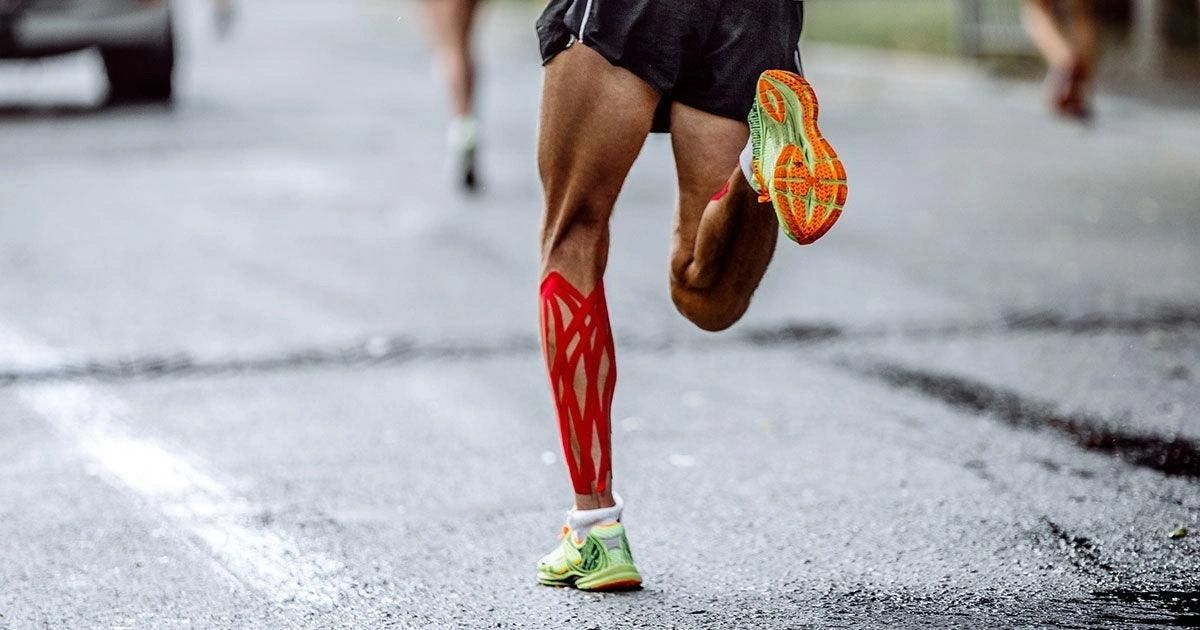
The Good News: Most February Injuries Are Preventable
Early assessment and small adjustments can dramatically reduce injury risk.
Addressing issues now helps:
● Improve running efficiency
● Reduce unnecessary joint stress
● Support consistent training
● Prevent forced time off later in the season
Key Areas Runners Should Focus on in February:
1. Strength Training (Yes, Even During Running Season)
Strength training isn’t optional—it’s protective.
Strong hips, calves, and core help absorb impact and reduce stress on tendons and joints.
Even 2 short sessions per week can make a significant difference.
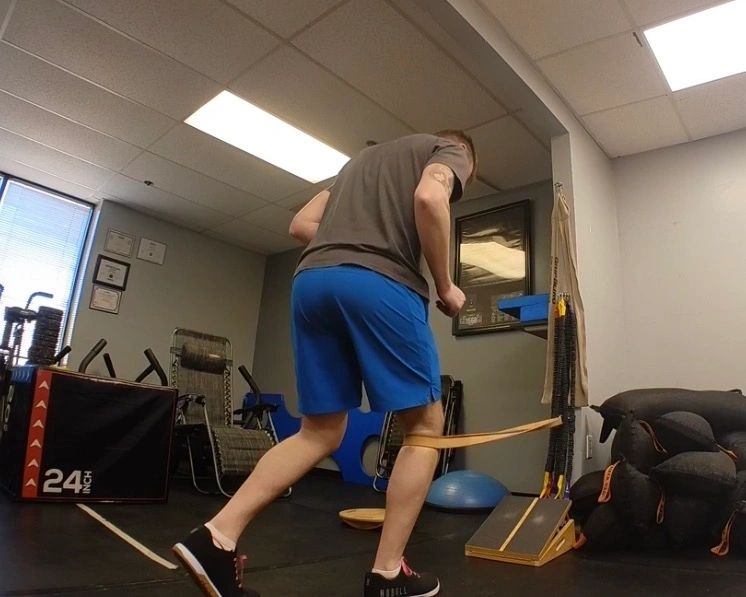
2. Running Form & Efficiency
You don’t need a perfect running form—but inefficient mechanics can increase injury risk as mileage builds.
A gait or movement assessment can identify:
● Asymmetrical loading
● Poor shock absorption
● Compensations from old injuries
3. Load Management
One of the most common mistakes we see is doing too much, too soon.
Smart progressions, appropriate recovery, and understanding when to hold back are key to long-term success.
Soreness vs Injury: When Should You Pay Attention?
Some soreness is normal—but certain signs shouldn’t be ignored:
runner gait assessment
● Pain that alters your stride
● Pain that worsens as you run
● Symptoms that linger longer than 48–72 hours
● Pain that returns every time mileage increases
These are signals that your body needs attention—not rest alone.

How Physical Therapy Can Help Runners in February
Physical therapy isn’t just for when you’re injured.
For runners, early PT can:
● Identify risk factors before pain starts
● Address strength and mobility deficits
● Improve confidence heading into peak training
● Keep you running consistently
A short assessment now can help prevent weeks—or months—of missed training later.
Build a Strong Foundation for Spring
February is the month to build resilience.
Instead of waiting until pain forces a break, take a proactive approach to your training. Your future self—and your spring race results—will thank you.
If you’re unsure whether what you’re feeling is normal, or if you want to make sure your training plan matches your body’s needs, a movement or running

assessment can provide clarity and confidence.
Ready to train smart this season? Schedule your February running assessment and start spring training on a strong foundation.
Without Limits Physical Therapy